Item No :
LCDT24961801Order(MOQ) :
1000 pcsPayment :
TTProduct Origin :
ChinaColor :
RGBShipping Port :
ShenzhenLead Time :
5 weeksWeight :
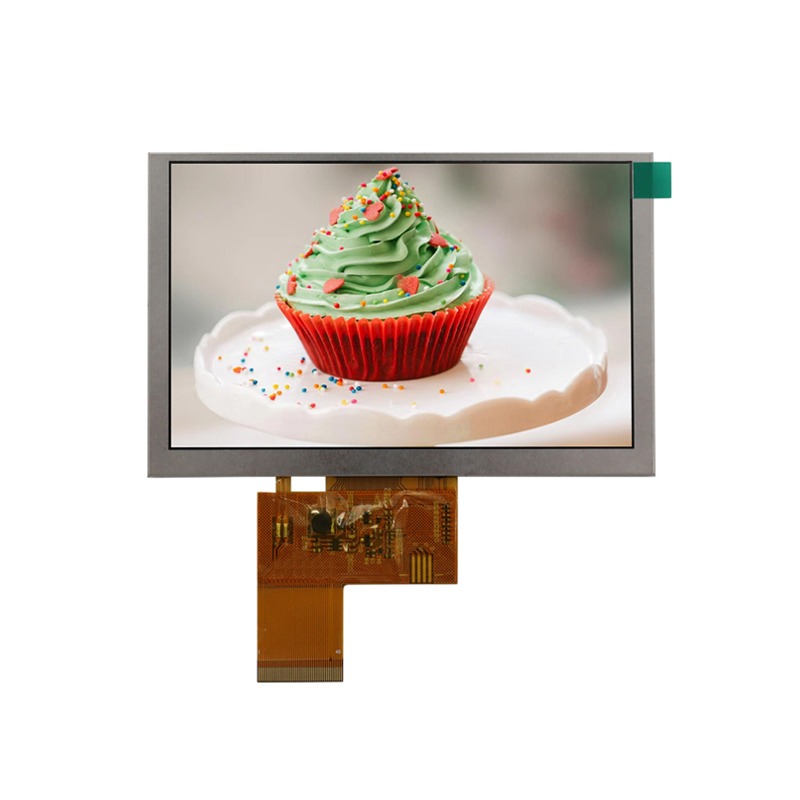
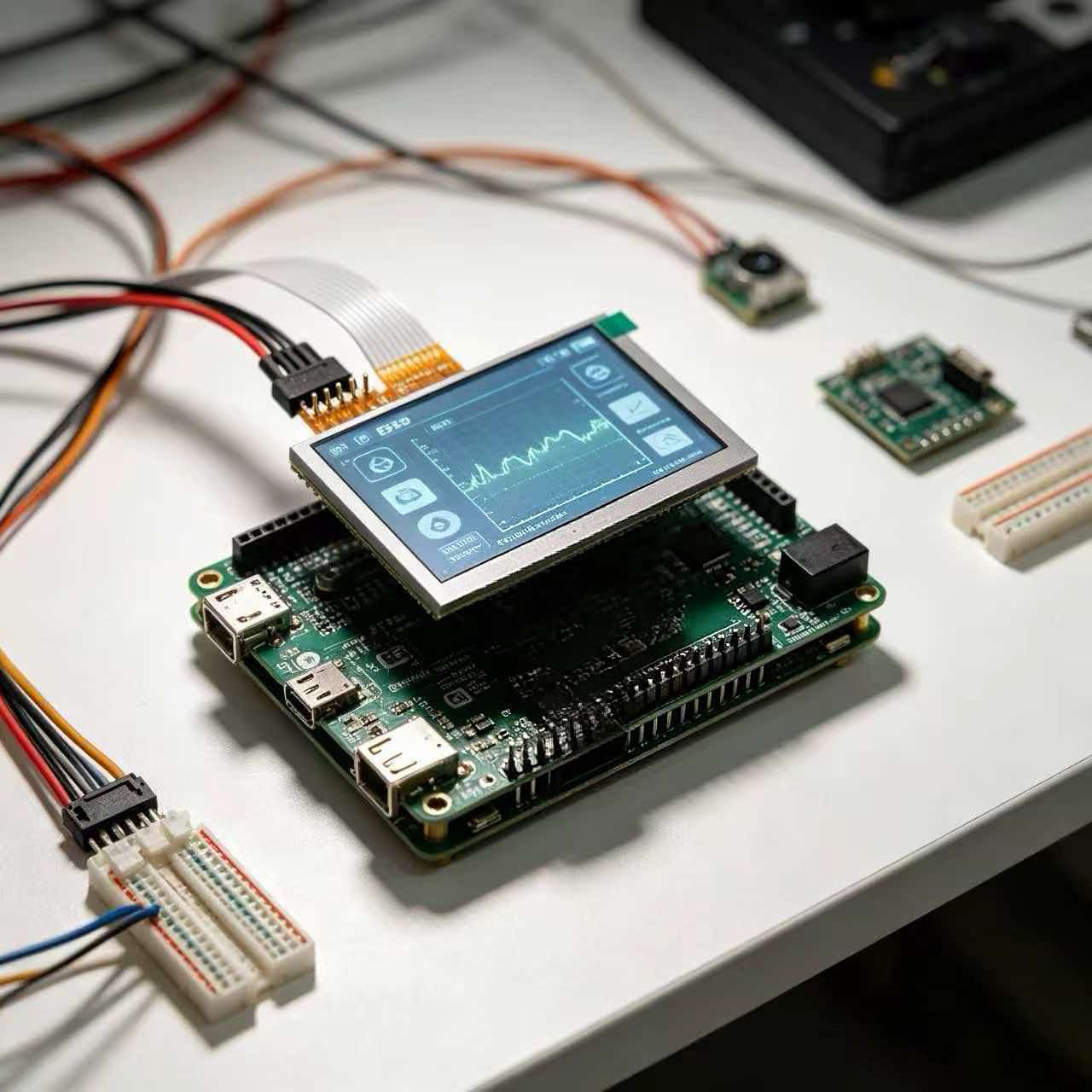
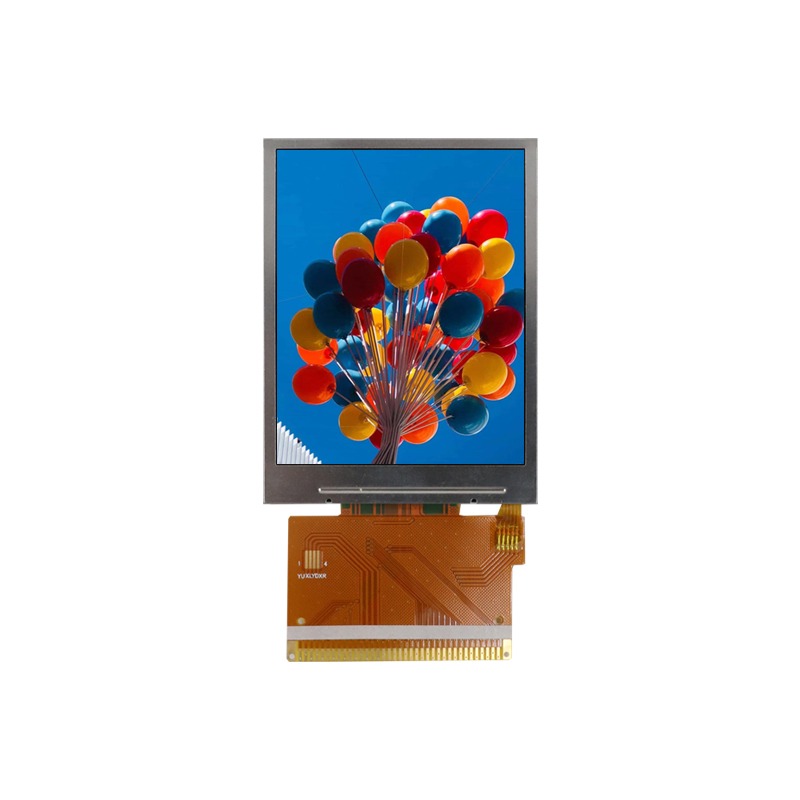
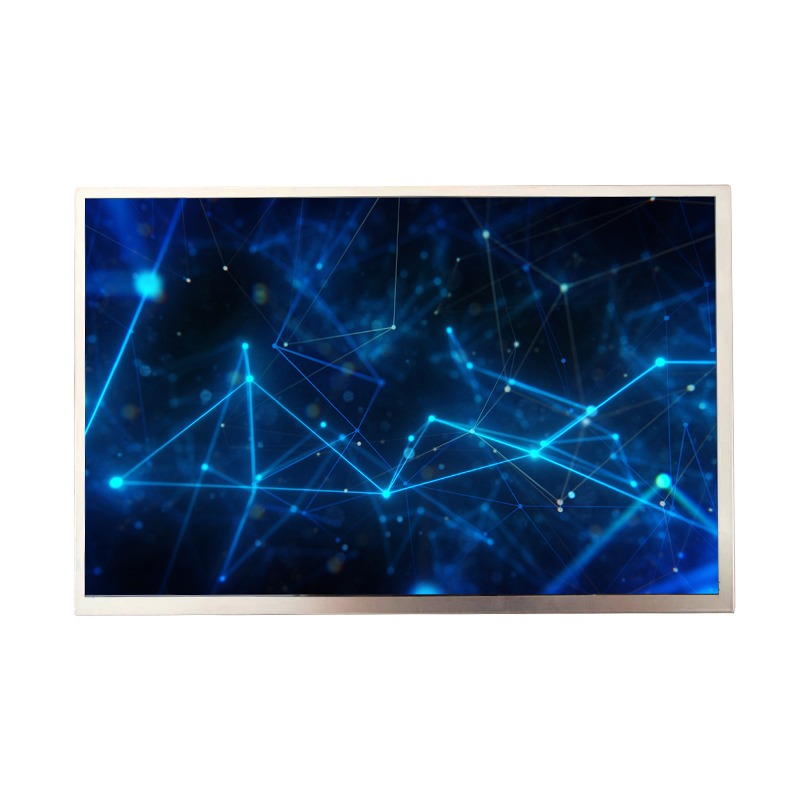
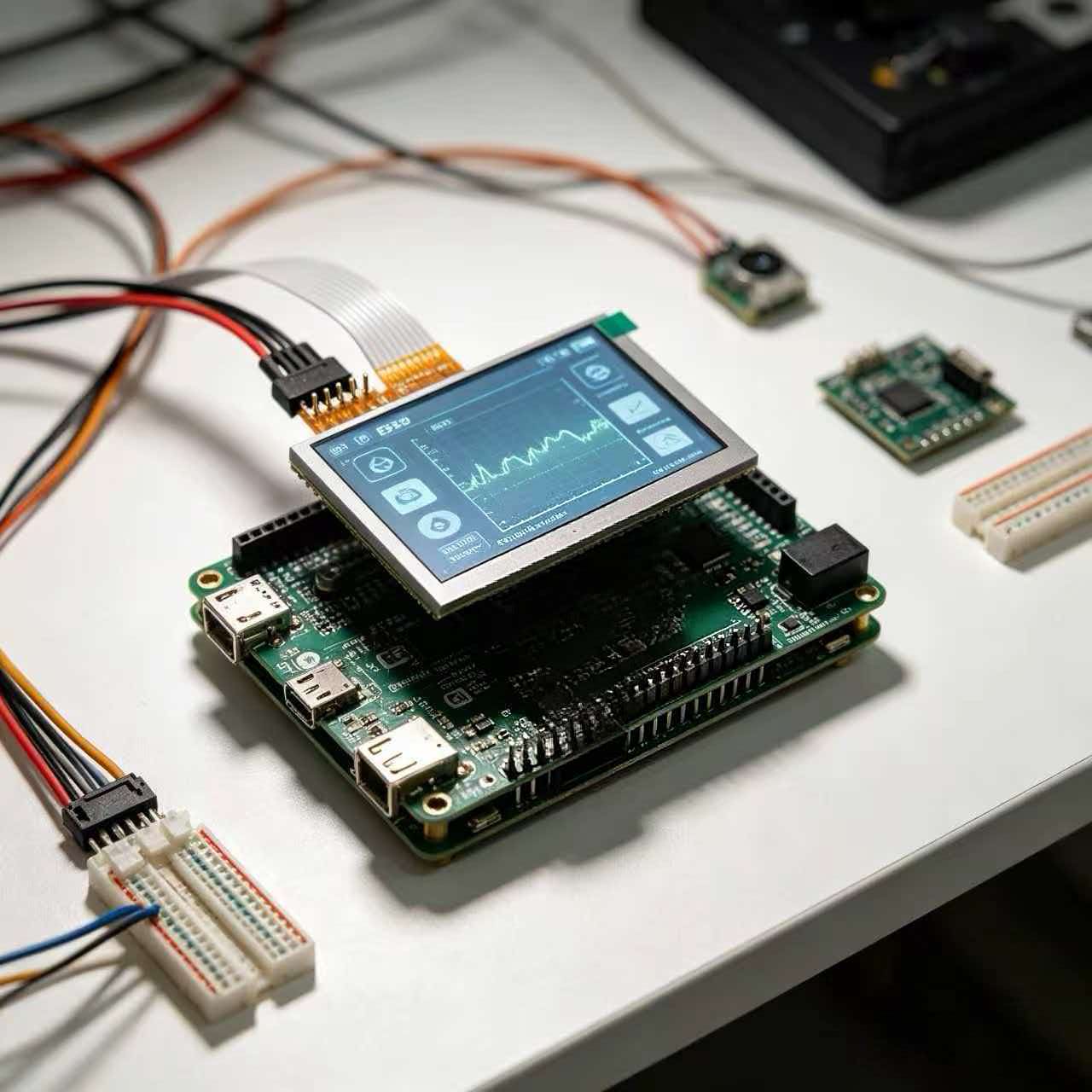
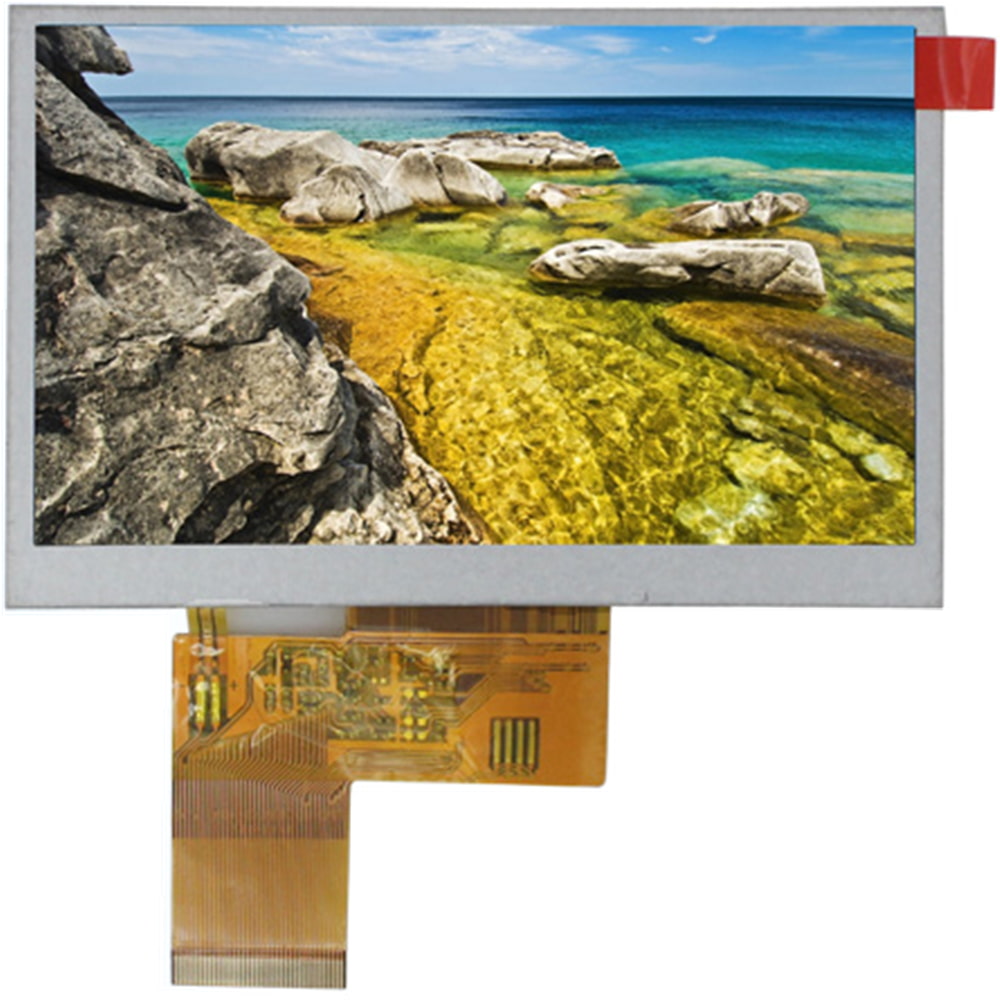
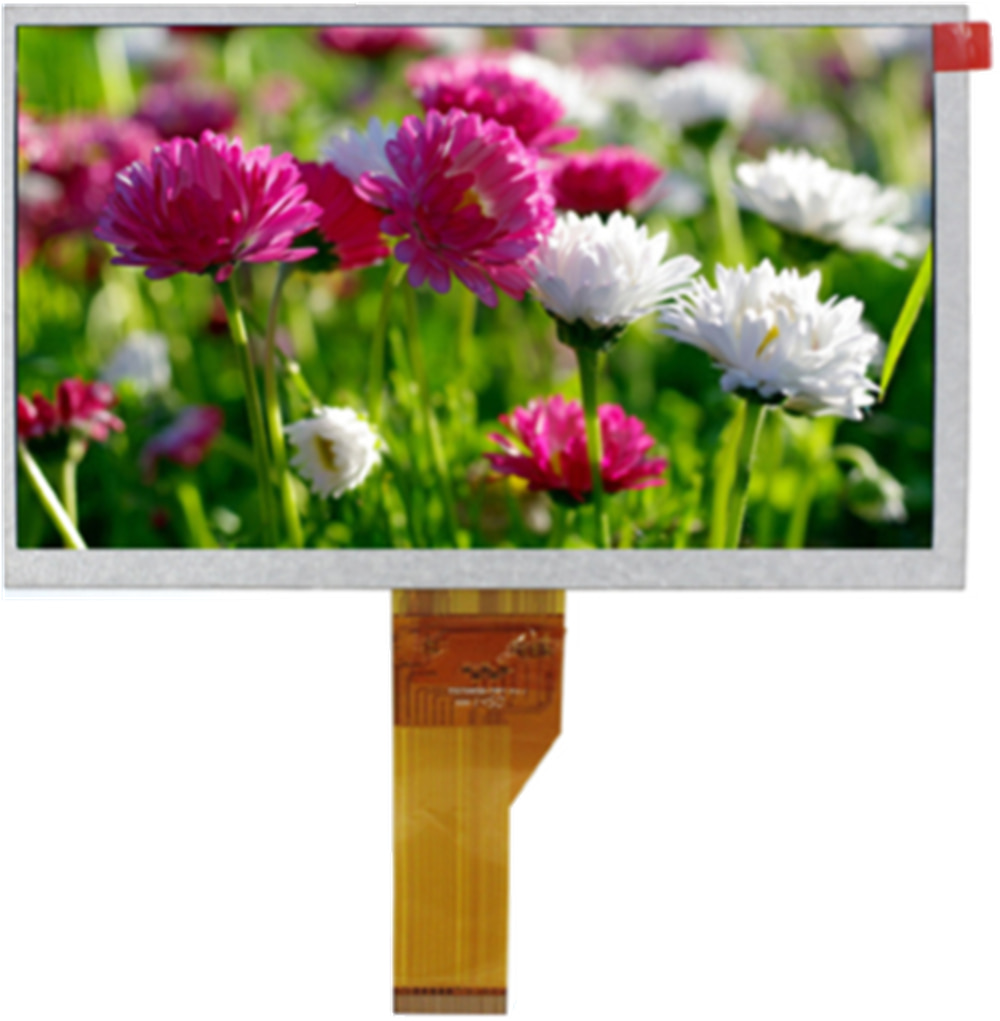
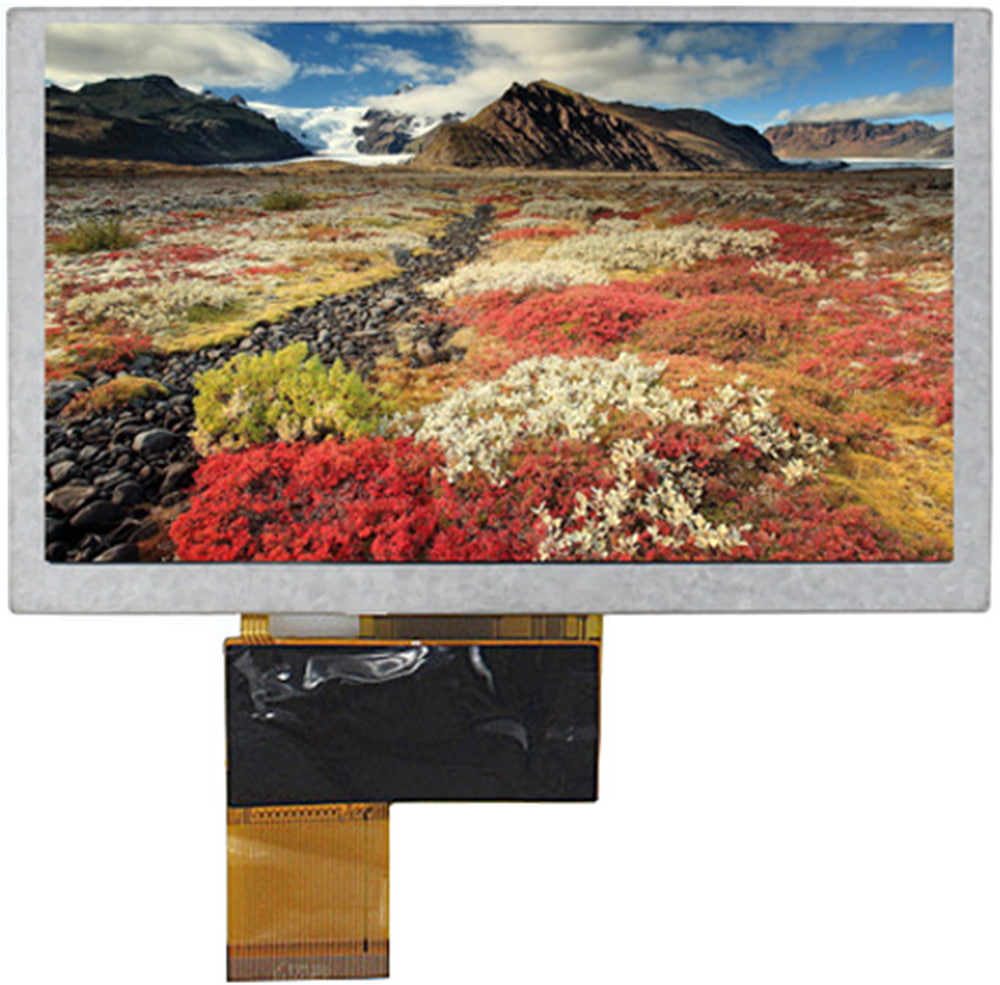
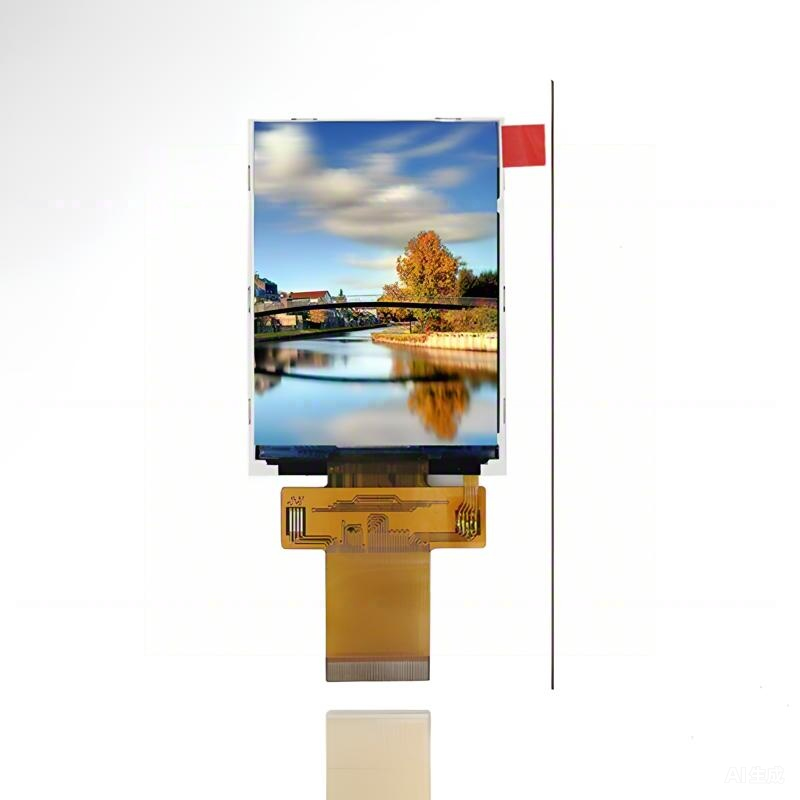
dependsLCDT24961801 is a 2.4-inch cost-effective SPI architecture TFT LCD module. It adopts a classic 4:3 aspect ratio and 240×320 standard resolution, is equipped with the mainstream ST7789 driver chip, supports two configurations of TN conventional panel and IPS wide-view panel, and can be matched with a G+G structure single-point capacitive touch layer. The overall thickness of the module is compressed to 2mm, making it light, thin, compact with excellent production cost. Relying on the high-speed communication feature of SPI, it is suitable for rapid driver integration with various microcontrollers and development boards, and is a cost-effective option for small-sized embedded display scenarios.
| Category | Parameter | Specification |
| Mechanical Dimensions | Screen Size | 2.4 inches, 4:3 aspect ratio |
| Resolution | 240 (RGB) × 320 | |
| AA Visible Area | 36.72 × 48.96 mm | |
| Module Dimensions | 42.72 × 59.46 × 2.0 mm | |
| FPC Pins | 18PIN SPI flex cable | |
| Optical Parameters | Backlight | 4 parallel-connected white LEDs, 3.3V drive |
| Brightness | 300 cd/㎡ | |
| Viewing Angle (Basic) | 55/55/45/55 | |
| Viewing Angle (IPS Upgrade) | 85° full viewing angle | |
| Touch Specifications (Optional) | Touch Type | G+G capacitive single-point touch |
| Touch Interface | I2C 3.3V | |
| Electrical Parameters | Interface | 4-wire SPI, maximum 40MHz clock |
| Driver IC | ST7789 | |
| Power Supply | 3.3V, backlight with independent PWM dimming | |
| Environment | Working Temperature | -20℃ ~ 70℃ |
Core Advantages
Lightweight and compact design: The overall module thickness is only 2mm, and the 18PIN SPI cable layout is concise, which saves the internal structural space of the device and facilitates the structural stacking of miniaturized products;
Dual panel options for flexible adaptation: The standard TN panel features ultra-high cost-effectiveness, and the upgraded IPS version achieves 85°all-round viewing angle, avoiding the problems of color deviation and whitening at certain viewing angles common in ordinary screens;
High-speed SPI driver for easy development: The 4-wire SPI interface supports a maximum clock rate of 40MHz, operates with a single 3.3V power supply, is compatible with most main controllers including STM32, ESP32, and 51 single-chip microcomputers, eliminates the need for complex parallel buses, and has an extremely low development threshold for beginners;
Separate control of touch and display:The display SPI communication and capacitive touch use independent I2C interfaces, the backlight supports PWM stepless dimming, and functions are regulated independently, leading to a lower debugging failure rate;
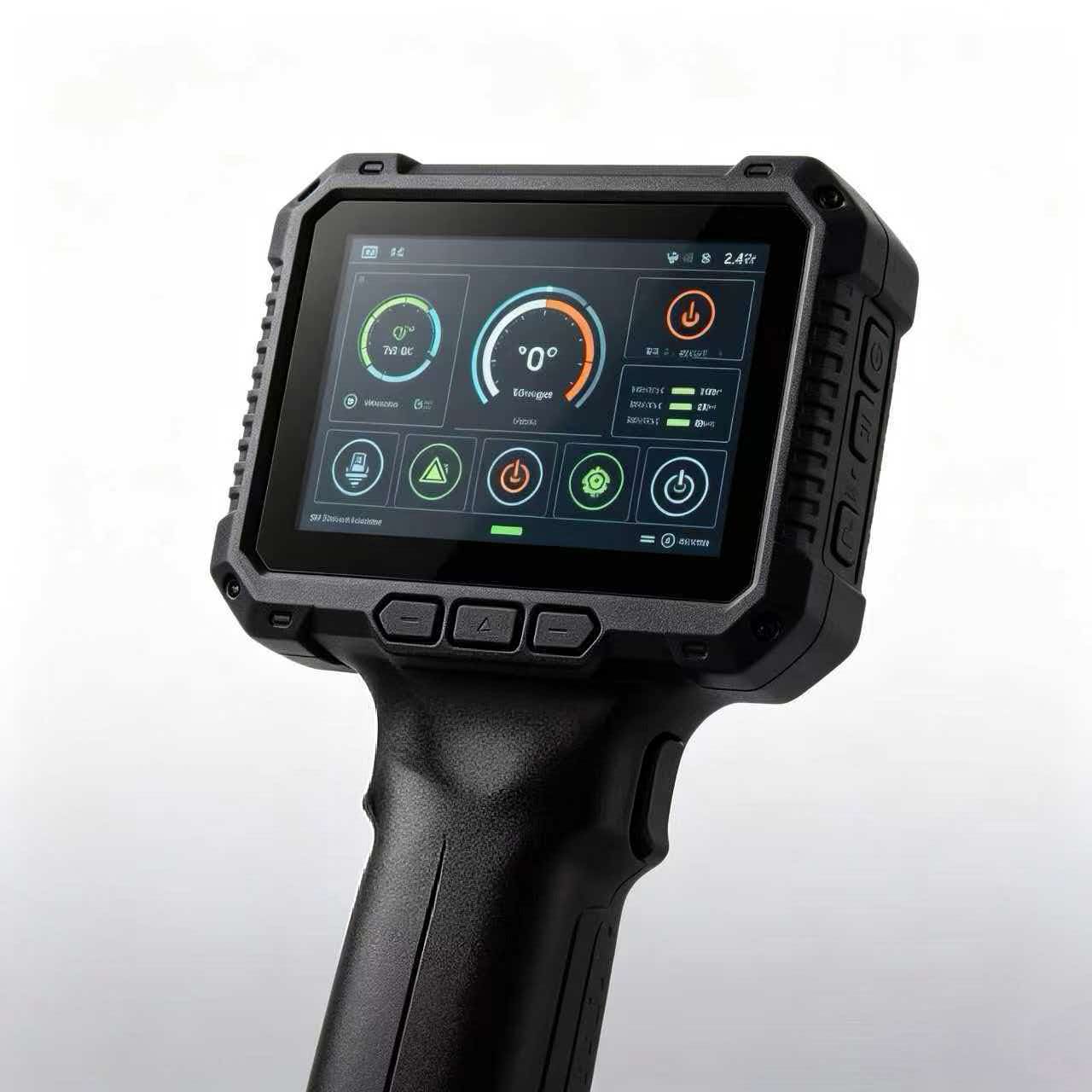
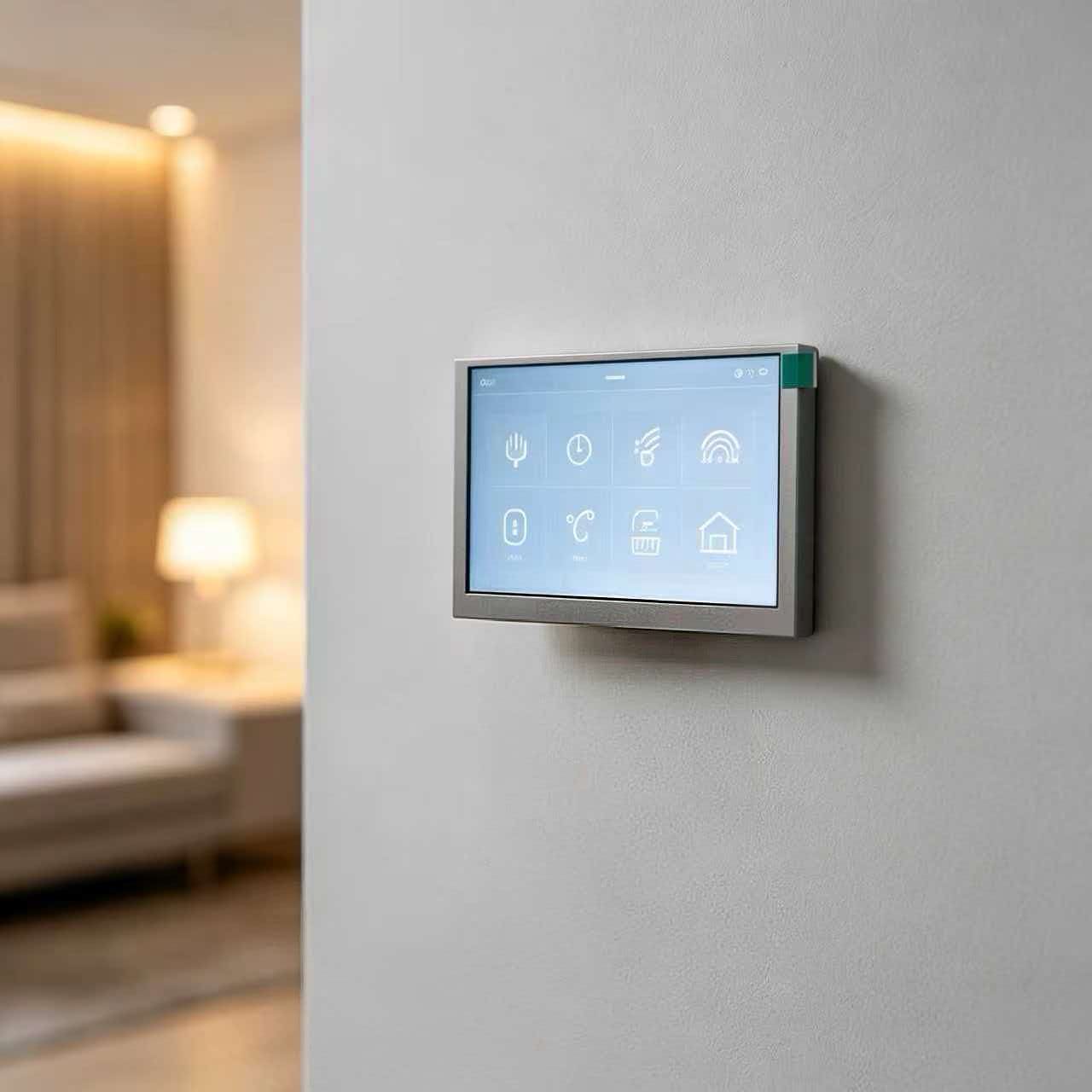
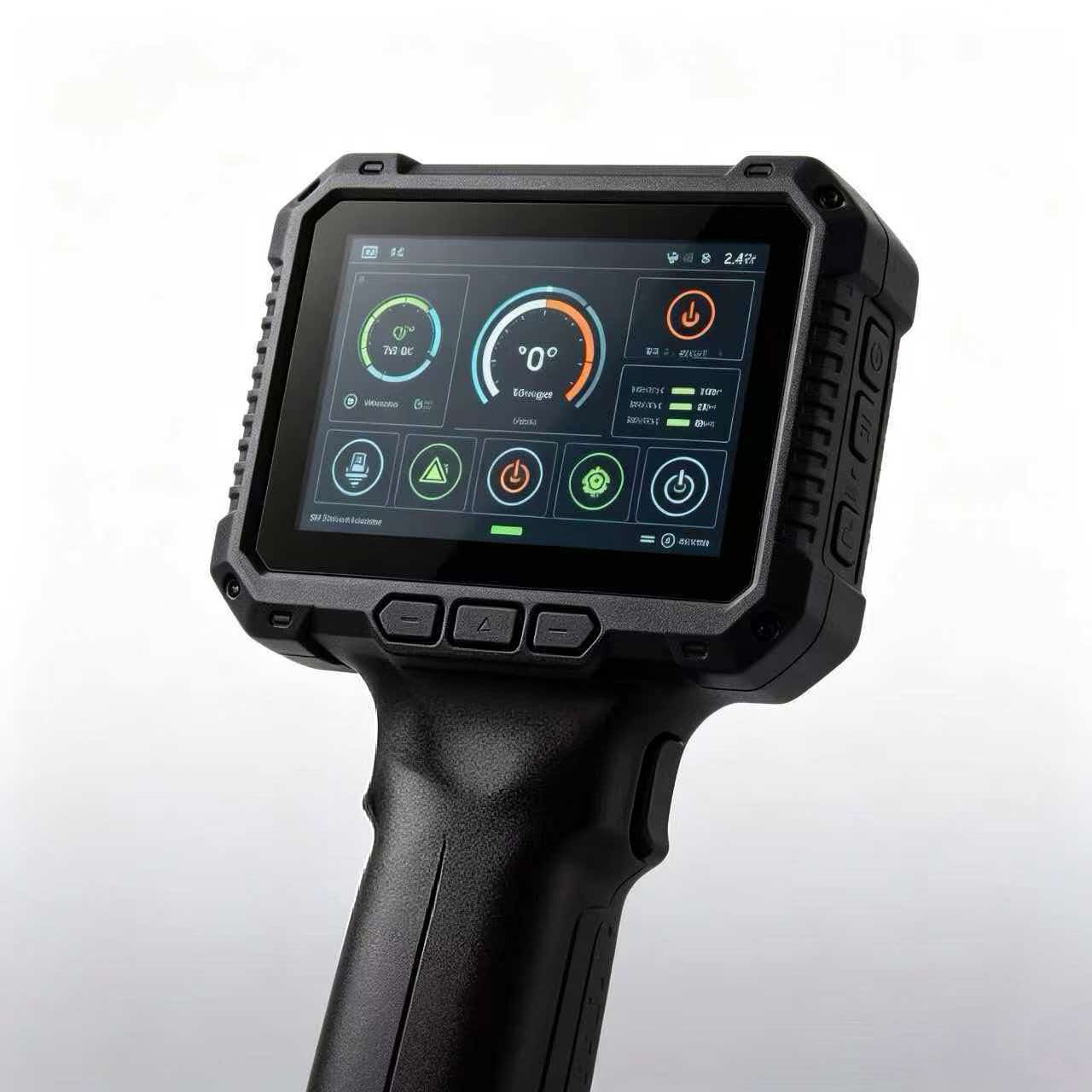
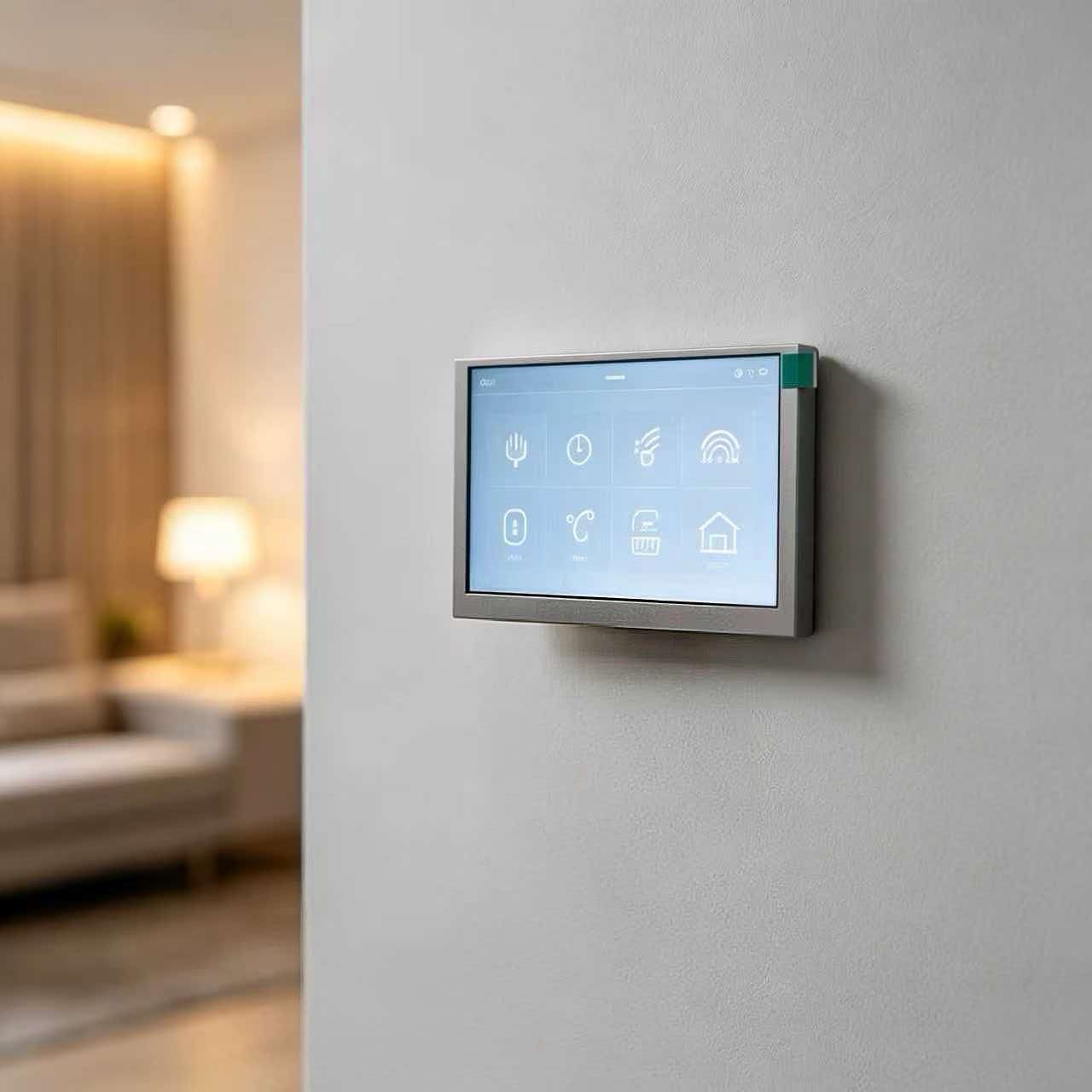
Wide-temperature industrial-grade performance: The operating temperature range covers -20℃ to 70℃, enabling stable operation in indoor home scenarios and for outdoor industrial handheld devices. The backlight is equipped with 4 parallel white LEDs, and the 300cd/㎡ brightness meets the requirement of visibility under strong indoor light.
Target Applications
Frequently Asked Questions
Q1: Can the non-touch version be retrofitted with capacitive touch later?
A: Retrofitting is not possible. The touch layer is bonded to the surface of the LCD panel and is integrally bonded and packaged at the factory. The screen structure of the non-touch version does not have a reserved touch layer. If you need touch functionality, you can directly select the version with G+G capacitive touch when placing your order.
Q2: What is the refresh rate of the SPI driver? Will it lag when driven by an ordinary microcontroller?
A: The screen refresh rate can reach above 60Hz when driven at full speed with SPI 40MHz. Normal screen refreshing with conventional STM32 and ESP32 main controllers will not lag; if the main controller's SPI clock is lowered to below 10MHz, there will be slight motion blur in high-speed animation scenes, while daily text and icon display will not be affected.
Q3: How to choose between the IPS version and the ordinary TN version?
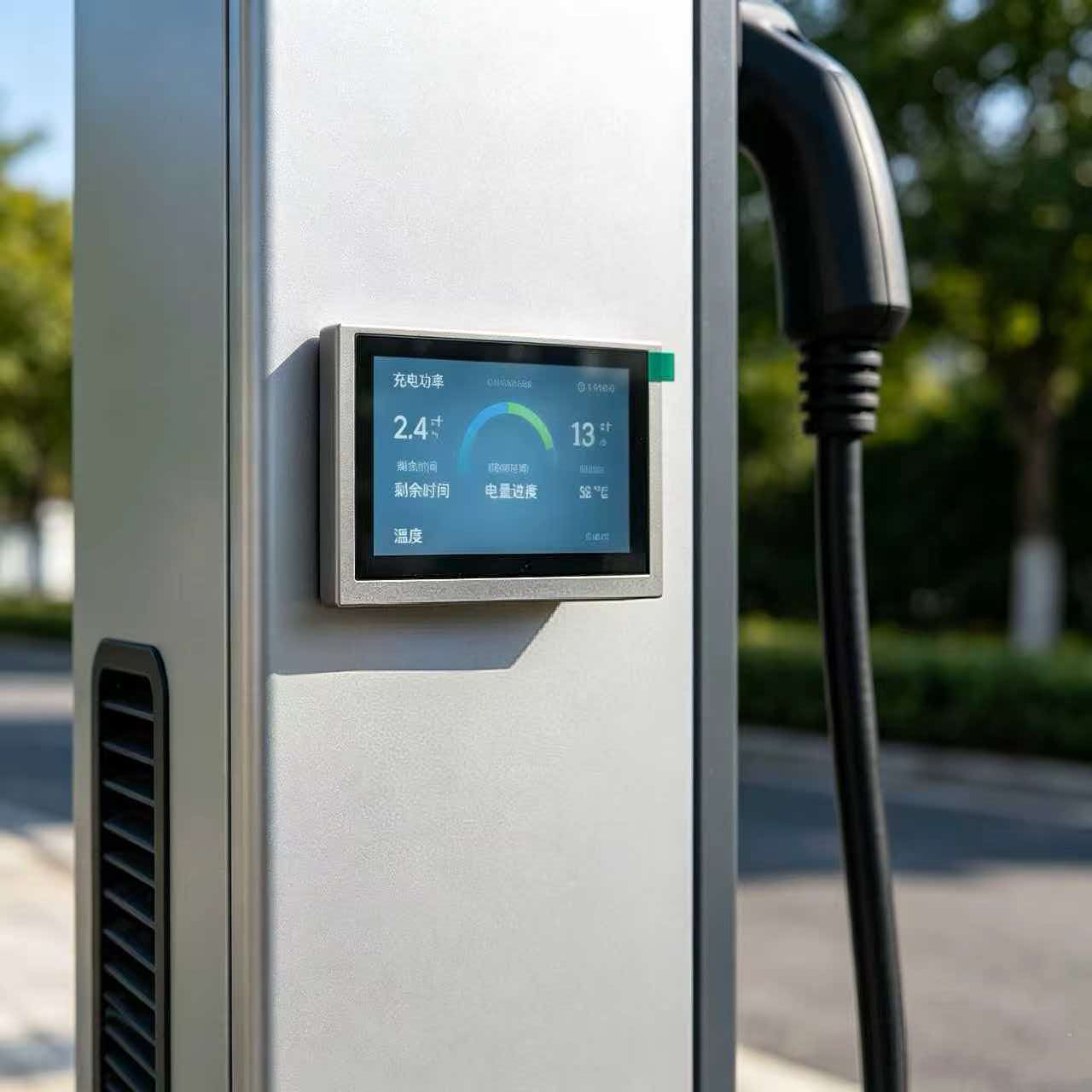
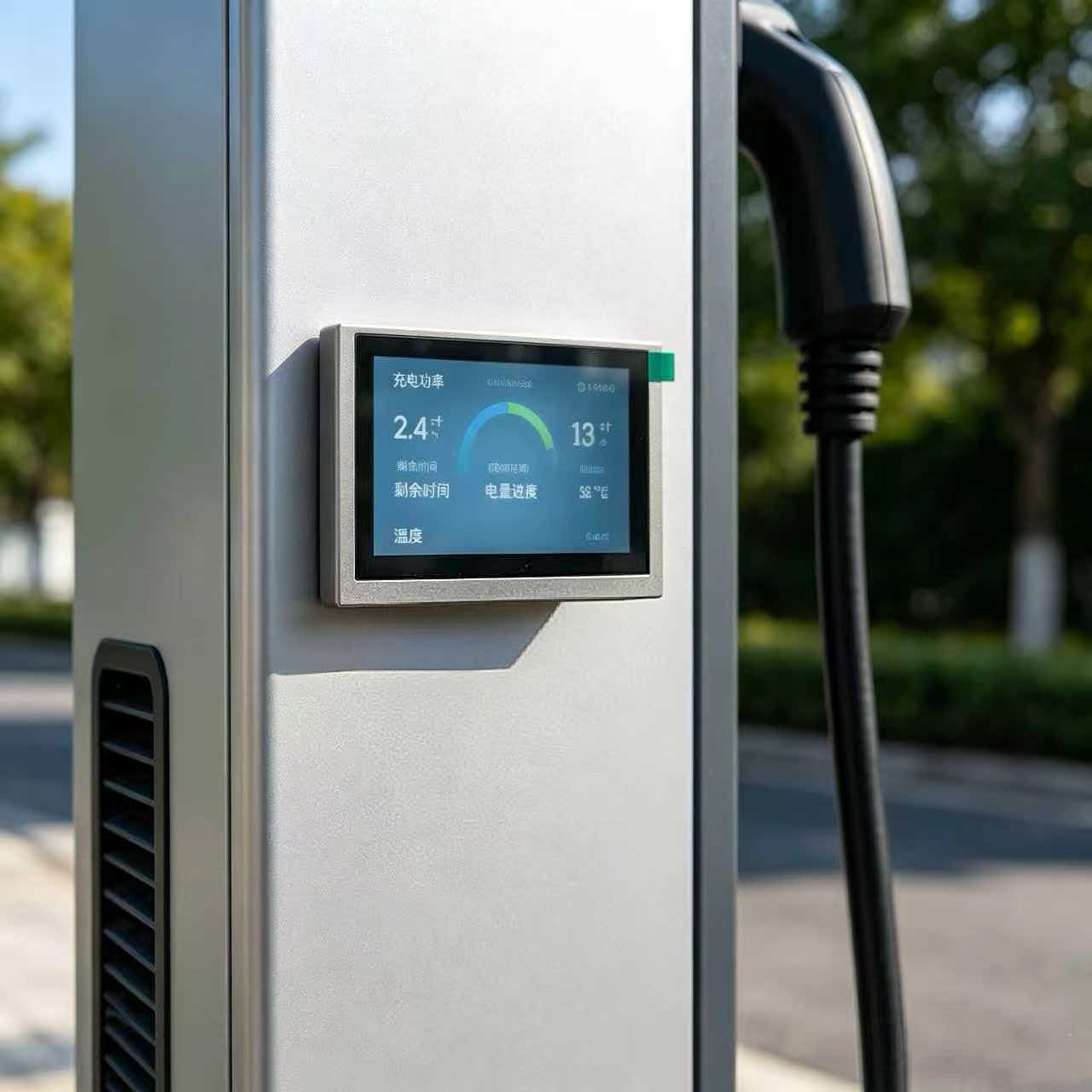
A: Choose the TN version if you pursue cost-effectiveness and only view the screen vertically from the front (e.g., charging pile secondary screens, indoor fixed panels); if the device requires screen viewing from multiple angles (e.g., handheld detectors, portable meters) and has requirements for color viewing angles, directly choose the IPS wide viewing angle version.




 IPv6 network supported.
leave a message
Scan to Wechat :

Scan to WhatsApp :